The Future of Custom Software Development in 2025
As businesses race to adapt to a digital-first world, custom software development is undergoing a significant evolution in 2025. New technologies, changing consumer behaviors, and growing security demands are reshaping how companies build and deploy tailored digital solutions. What trends are defining the future of custom software development, and how can businesses stay ahead? Let’s explore.
1. AI-Driven Development Becomes Mainstream
Artificial Intelligence (AI) is no longer a luxury — it's becoming an integral part of custom software development. In 2025, AI will automate coding processes, optimize workflows, and drive smarter decision-making. From predictive analytics to AI-powered customer support bots, software will increasingly learn and adapt over time.
Insight:
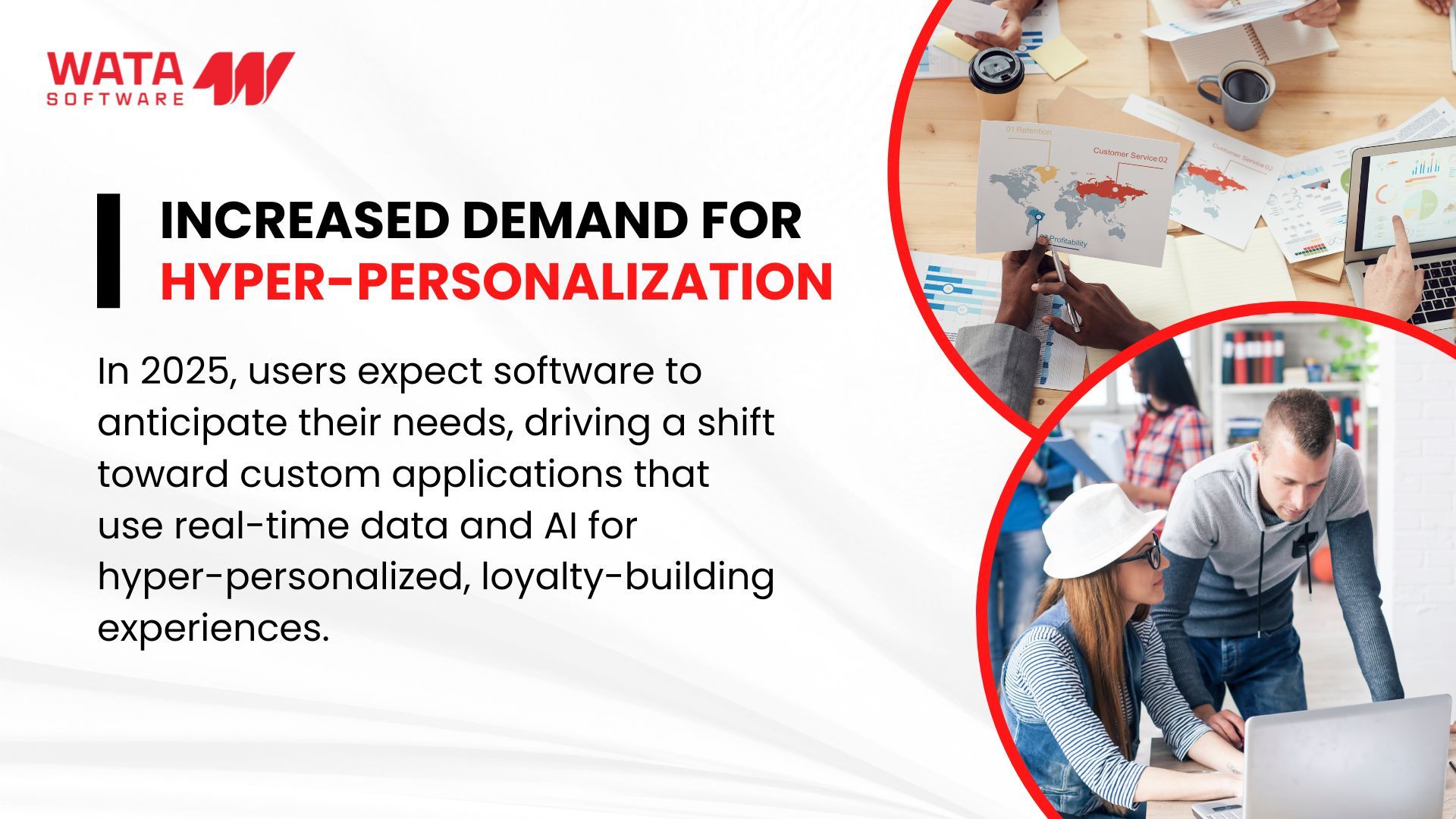
2. Increased Demand for Hyper-Personalization
Generic software solutions are falling out of favor. Users in 2025 expect software to anticipate their needs and provide personalized interactions. Custom applications will leverage real-time data, user behavior analysis, and machine learning algorithms to deliver hyper-personalized experiences that foster loyalty and satisfaction.
3. Low-Code and No-Code Platforms Empower Rapid Development
The pressure to innovate faster is pushing businesses toward low-code and no-code development platforms. These tools allow quicker prototyping and deployment, making software creation more accessible to non-technical users. However, for complex, scalable, and secure systems, fully custom-built software by professional developers remains irreplaceable.
Note:
4. Cloud-Native and Edge Computing Dominate Architecture
Cloud-native development is becoming the default choice. In 2025, most custom applications will be designed for multi-cloud and hybrid environments, offering flexibility, resilience, and cost efficiency. Simultaneously, edge computing will enable real-time processing close to users or devices, crucial for industries like healthcare, manufacturing, and transportation.
Fact:
5. Security-First Development Gains Priority
As cyber threats grow more sophisticated, security-by-design is now essential. Custom software development in 2025 demands encryption, threat detection, GDPR/CCPA compliance, and secure APIs built directly into the software from the ground up.
Actionable tip:

6. Global and Remote Development Teams Thrive
The pandemic accelerated the acceptance of remote collaboration, and by 2025, it's the norm. Companies now tap into global talent pools for expertise in custom development, leveraging offshore and nearshore teams to improve agility, reduce costs, and speed up product delivery.
Pro insight:WATA Software
7. Focus on Sustainability and Green Software
Environmental awareness is influencing every industry — including tech. In 2025, businesses are seeking eco-friendly software solutions that optimize energy use, minimize carbon footprints, and support corporate sustainability goals.
Trend:
Conclusion: Staying Future-Ready with Custom Software
The future of custom software development in 2025 is dynamic, intelligent, and customer-centric. Organizations that embrace AI, cloud-native solutions, hyper-personalization, and security-first strategies will lead the digital transformation of tomorrow.
Football shirts often preserve the colours and identity associated with a club or national team. Supporters looking at third-shirt colours can use Manchester City jersey(camiseta del Manchester City) as the exact subject of comparison. Good care and suitable storage help preserve the shirt's appearance over time.
At WATA Software, we are at the forefront of this evolution, delivering cutting-edge, secure, and scalable custom software solutions tailored to your unique needs.
Contact WATA Software today to build future-ready custom applications that drive innovation, growth, and success.